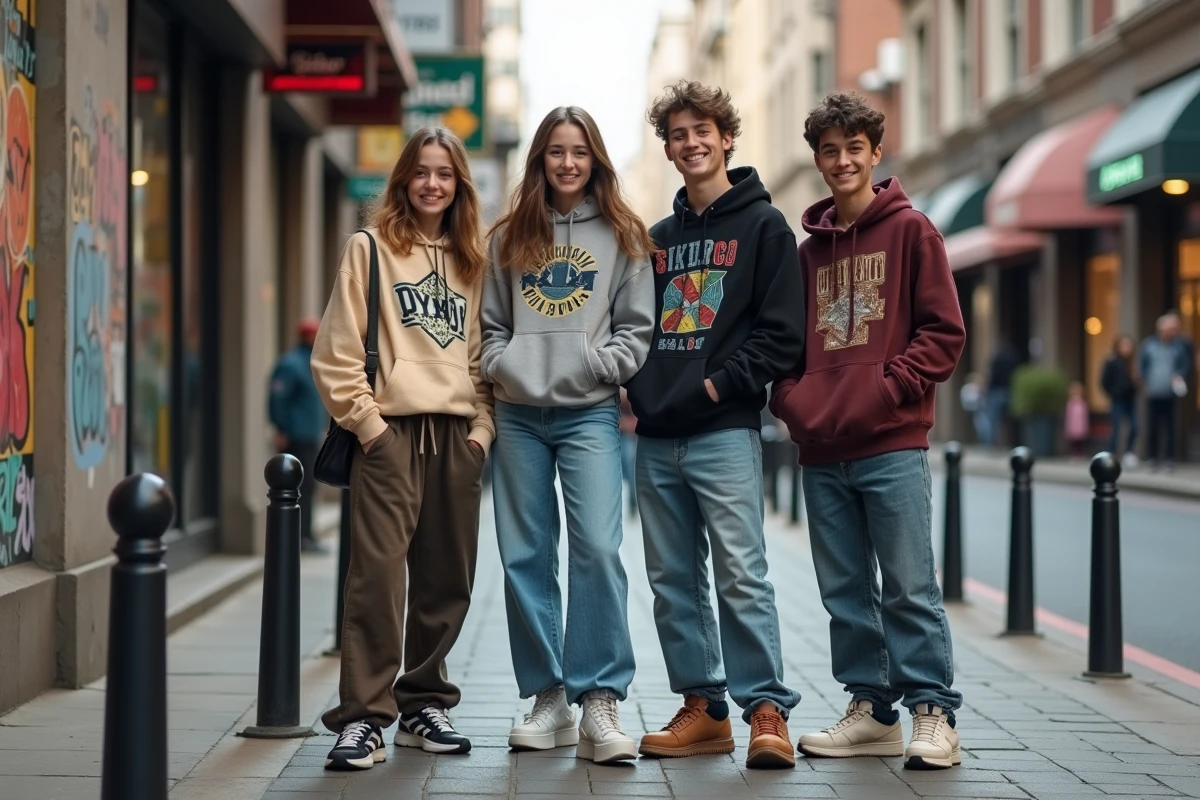
A teenager scrolling through their TikTok feed for ten minutes encounters dozens of outfits, brands, and dress codes. Each video presents a style, suggests a purchase, validates or invalidates a choice. Fashion shapes the behaviors and values of young people far beyond mere clothing: it impacts self-esteem, group dynamics, and how a generation constructs its identity.
Algorithmic Fashion and Youth Identity: The Paradox of AI Style Apps
Have you ever noticed that the clothing suggestions on certain apps all look alike? Tools like StyleAI use generative AIs to propose personalized outfits. The principle is simple: you input your tastes, body type, budget, and the algorithm generates a “tailored” style.
The problem is that fashion algorithms tend to standardize styles rather than diversify them. The AI trains on the most popular trends. It recommends what already works, what generates clicks, what sells. The result: thousands of teenagers receive nearly identical suggestions.
This mechanism creates a paradox. The app promises to liberate personal expression. In reality, it pushes towards subtle standardization. A young person who thinks they are asserting their identity is actually reproducing a model optimized for engagement. To delve deeper into the influence of fashion on youth, one must look beyond clothing and examine the technological mechanisms that guide choices.

Social Media and Clothing Pressure Among Teenagers
Social media amplifies the speed at which a trend is born, spreads, and dies. A viral style on TikTok can dominate for two weeks and then disappear. This acceleration changes young people’s relationship with clothing consumption.
The Cycle of Social Validation
Wearing the right brand or following the right trend often determines a teenager’s position within their group. Clothing becomes a ticket to enter a social circle. A pair of jeans from a brand perceived as outdated can be enough to marginalize someone.
This pressure does not come solely from peers. Influencers play a direct role. When a content creator wears a piece, their followers identify it, search for it, buy it. The choice of clothing increasingly resembles a response to a social signal rather than a personal act.
The Digital Services Act and Targeted Advertising to Minors
The implementation of the Digital Services Act in Europe has imposed greater transparency on platforms like TikTok regarding hidden ads targeting minors. According to the European Commission’s evaluation report dated March 2026, young people are now better protected against undisclosed exposure to brand trends.
This regulation forces platforms to clearly distinguish between organic content and sponsored content. For a teenager, knowing that a video is an advertisement changes how they perceive the recommendation. Trust does not operate the same way when the commercial framework is visible.
Young People’s Values in the Face of Fashion: Between Fast Fashion and Responsible Choices
Fast fashion remains massively consumed by young people. Low prices and the constant renewal of collections align with a limited budget and a desire for novelty. However, a tension arises between this purchasing behavior and the values that this same generation claims to defend.
Many teenagers declare themselves sensitive to environmental issues. They share content about climate change and support ecological causes online. The gap between stated values and purchasing habits constitutes a point of generational friction.
Some signals indicate a concrete evolution:
- Second-hand shopping is gaining ground, driven by resale platforms that make buying used items as easy as buying new ones
- In Southeast Asia, young people increasingly favor sustainable local brands over Western giants, according to Bain & Company’s “Youth Fashion Trends Asia 2026” study, reflecting a shift towards cultural nationalism in fashion
- School initiatives, such as optional uniforms adopted in some French institutions, reduce tensions related to brand hierarchy, according to the “Education and Society” bulletin from the Ministry of National Education (spring 2026)
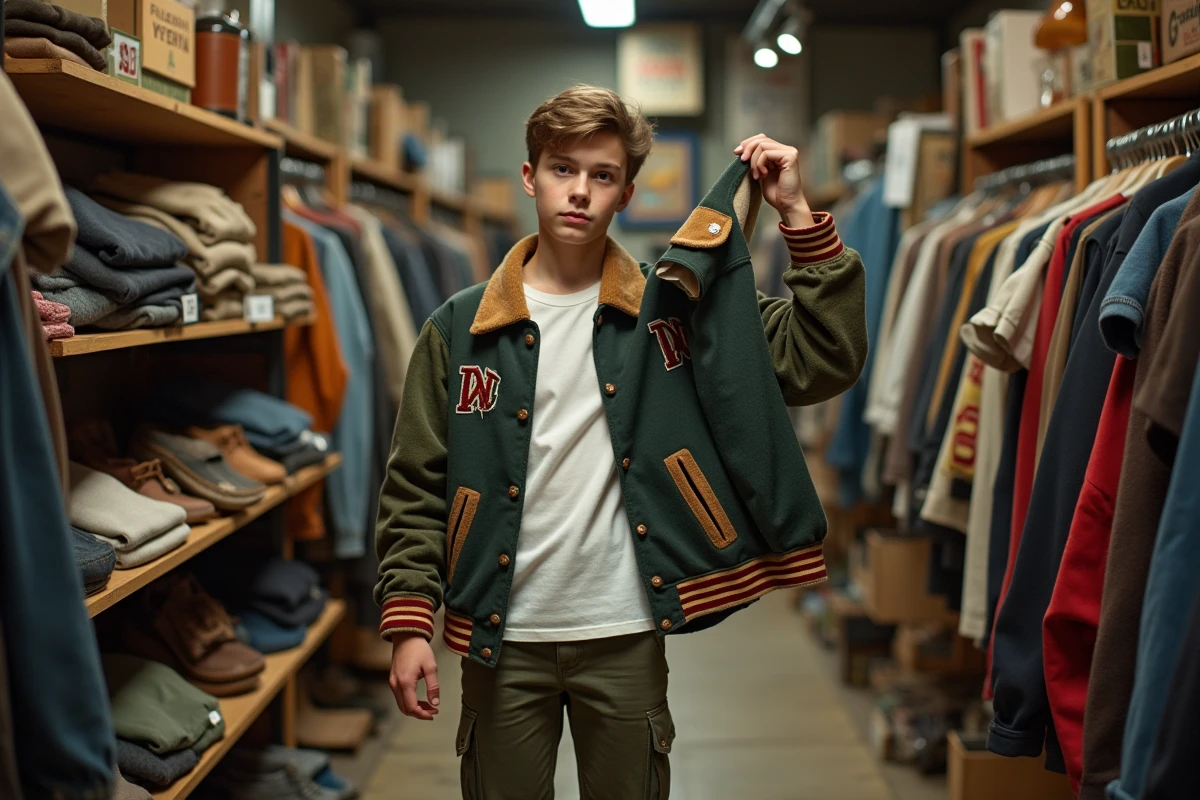
Identity Construction and Group Belonging: What Clothing Really Says
Why does a teenager choose one sweatshirt over another? The answer goes beyond aesthetic taste. Clothing serves as a marker of belonging to a community. Wearing streetwear, vintage, or minimalist styles sends a message about one’s cultural references, musical tastes, and digital acquaintances.
This phenomenon is not new. Every generation has had its own dress codes. What changes is the speed at which these codes rotate and the visibility provided by social media. A niche style can reach thousands of young people in a matter of days, creating ephemeral micro-communities.
Self-esteem also comes into play. A teenager who masters the dress codes of their group feels integrated. Those who cannot, due to lack of means or knowledge, may experience a form of exclusion. Fashion acts as a silent social filter in the daily lives of young people.
This social dimension explains why brands invest so much in marketing to teenagers. They are not just selling a product; they are selling a place in a group. Clothing becomes a positioning tool before it is a functional object.
Fashion shapes young people’s behaviors through multiple channels: algorithms, social media, group dynamics, commercial pressure. Recent regulations like the Digital Services Act and educational initiatives show that awareness exists. The real challenge remains the ability of teenagers to distinguish a personal choice from an algorithmic suggestion, a skill that is not yet taught in schools.