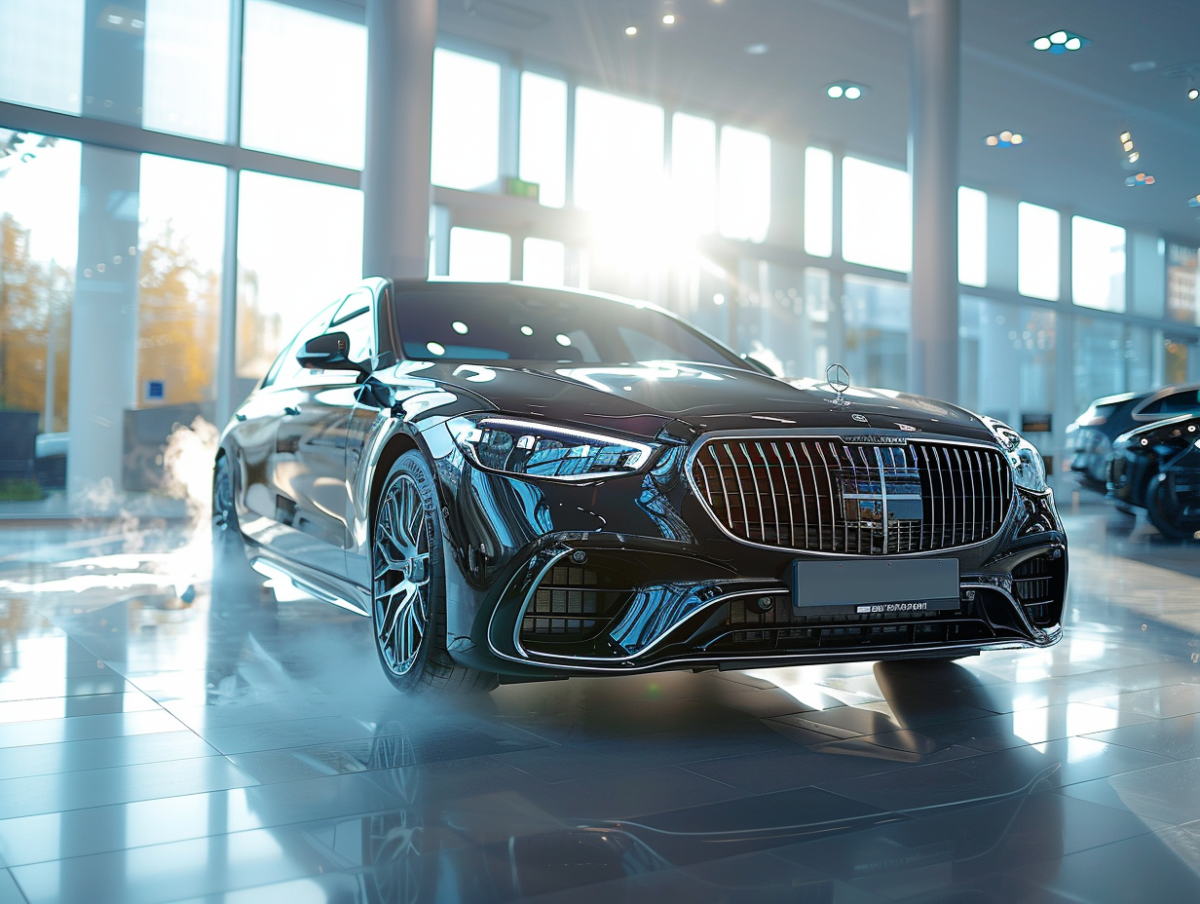
In the world of luxury vehicles, German brands are often synonymous with refinement and performance. Some models have disappointed consumers and critics, raising questions about their reliability and value for money. From recurring mechanical issues to exorbitant maintenance costs, these specific models have tarnished the reputation for excellence usually associated with these prestigious manufacturers. A close examination of these cars reveals weaknesses that could discourage even the most enthusiastic buyer of luxury vehicles.
The Hidden Flaws of German Luxury Cars
German cars: when the veneer of perfection chips away. Behind the dazzling marketing campaigns, some series of German luxury vehicles hide vulnerabilities that are sure to surprise experts and seasoned consumers alike. The BMW Series 1 model to avoid is included in this non-exhaustive list of cars where reliability is lacking. An in-depth analysis of data and user feedback highlights issues with the timing chain and mechanical defects that could lead to significant repair costs.
The situation is similar among its compatriots. The Audi A3, for example, is notorious for timing chain issues, prompting specialists to steer buyers towards the 1.4 TFSI 125 model, considered a more reliable alternative. The Mercedes Classe C, especially in its diesel 2.2 variants prior to 2011, reveals injector problems and water pump leaks, failures that tarnish its image of robustness and durability. The case of the Volkswagen Golf remains emblematic of these disappointments. Models like the 1.2 TSI 85/105 and the 2.0 TDI 140 have been flagged for their multiple flaws, leading experts to recommend versions such as the 1.2 with 110 hp or the 1.4 with 125 hp, deemed more reliable. These examples illustrate that even within the German automotive industry, renowned for its quality, some models can fall short of high reliability standards and lead to notable disappointments for owners.

How to Identify and Avoid Problematic Models
L’Auto-Journal, a reference publication, proves to be a valuable tool for potential used car buyers. It helps identify German car models to avoid due to reliability issues. The compiled data and long-term tests allow for accurate assessments of vehicle durability. Informed consumers rely on this information to steer clear of problematic models and guide their choices towards more reliable alternatives. A thorough examination of reliability reports and user feedback is essential before any purchase. Models such as the BMW Series 3 diesel, manufactured between 2007 and 2012, are scrutinized for their vulnerabilities regarding the timing chain. The same goes for the Mercedes Classe C, whose models prior to 2011 are known for injector and water pump issues. Once identified, these vehicles should prompt buyers to consider later versions or other equivalent models. The search for models with solid track records is fundamental. For the Audi A3, the 1.4 TFSI 125 model is recommended as a reliable alternative to the problematic chain. In the same vein, the Volkswagen Polo 1.4 with 85 hp is suggested over the vulnerable 1.2 TSI 105. Buyers of the Volkswagen Golf are encouraged to prioritize the 1.2 with 110 hp or 1.4 with 125 hp models, which are less prone to failures. These recommendations, based on rigorous analyses, serve as beacons for navigating the automotive sector and investing wisely.