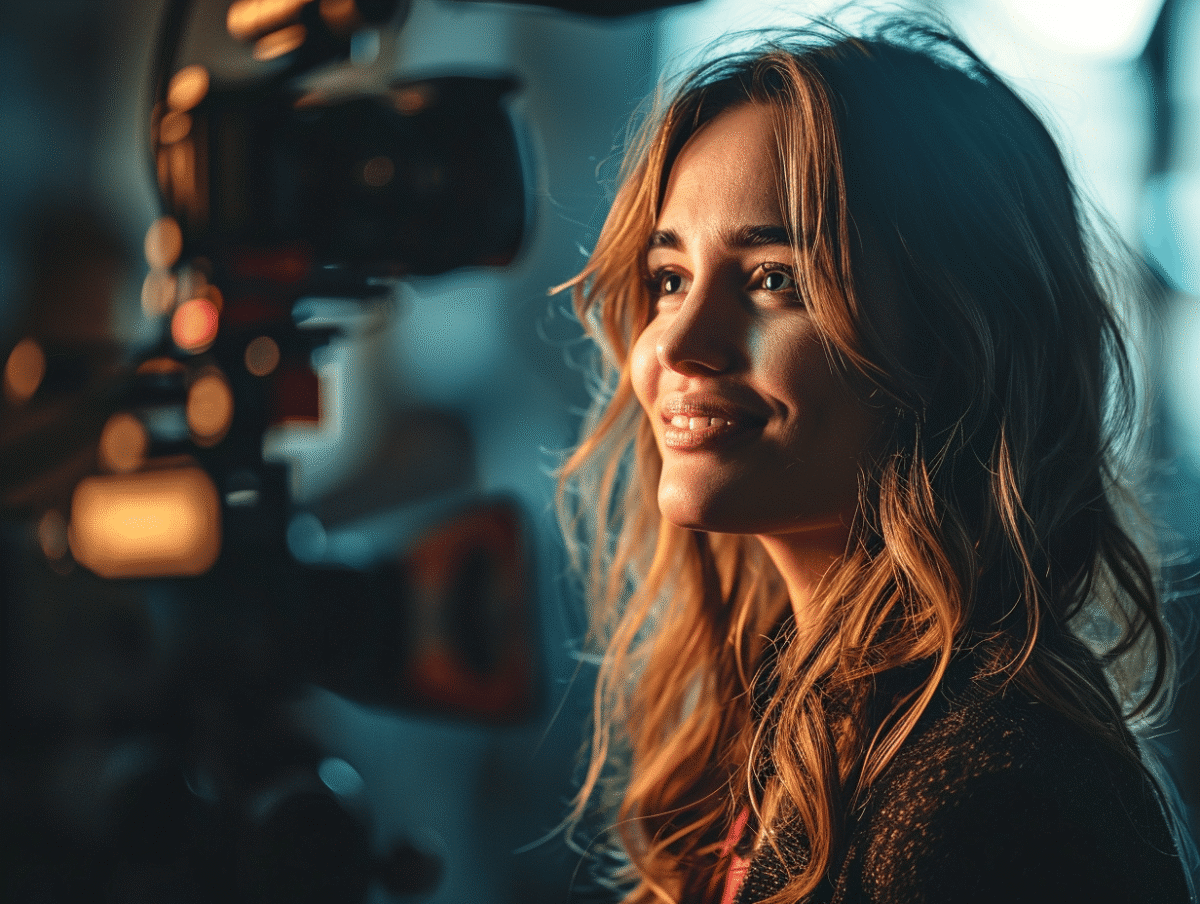
Capturing the essence of a person through the lens of a camera is an art that requires both technique and sensitivity. Portrait photography is not just about pressing a button; it involves a deep understanding of light, composition, and the subject itself. Every face tells a unique story, and the photographer must know how to reveal it. The camera settings, lens choice, lighting, and the relationship between the photographer and the model are all elements that contribute to the success of a memorable portrait.
Mastering the essential settings for a quality portrait
The art of portrait photography does not allow for any improvisation when it comes to camera settings. The quality of portraits indeed depends on a precise recipe, blending technique and feeling. The focus, the cornerstone of portrait photography, must be made strictly on the eyes to capture the spark that animates the subject. An artistic blur can envelop the rest, but the gaze must remain sharp, like a window to the soul.
The framing greatly influences the perception of the portrait. Tight or wide, it should be chosen based on the story the photographer wishes to tell. Bertrand Barré, a recognized specialist in portrait photography, emphasizes the power of framing to evoke the model’s personality. The camera settings, including aperture and focal length, are adjusted to control the depth of field and direct attention where it should be: on the subject.
The management of natural light in portrait photography is crucial. It can transform a photo from mundane to exceptional. Soft, diffused lighting highlights features without creating overly harsh shadows. The use of accessories, such as reflectors, can help balance light contrasts and intensify the gaze. There are many tips for successful portrait photography, but they all agree on one point: light is the photographer’s brush, which must be used with precision and creativity.
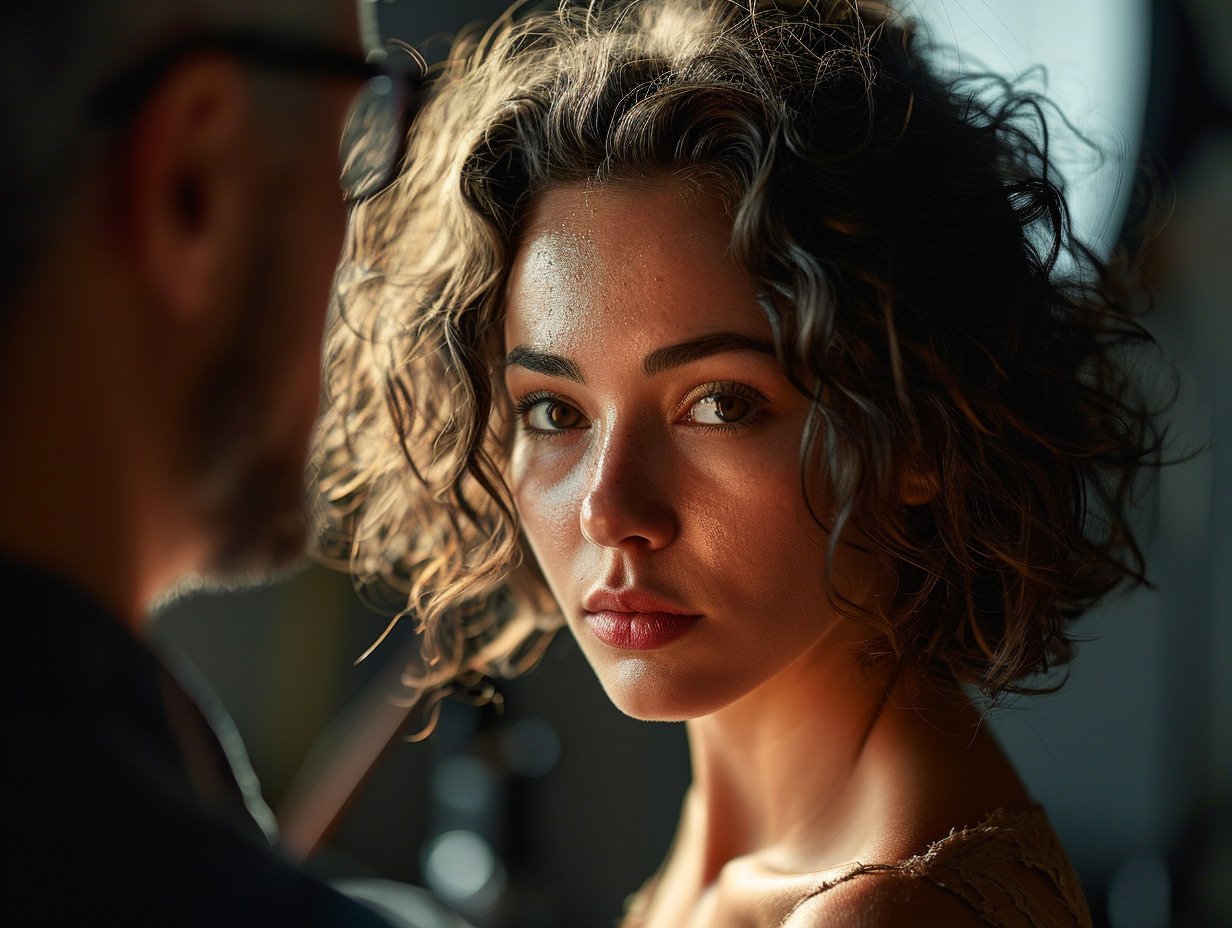
Interacting with the subject to capture the essence of the portrait
The management of the model in portrait photography proves to be a determining element for obtaining shots that reveal the deep personality and uniqueness of the individual. It is not enough to pose the model; the photographer must establish a relationship of trust and complicity that allows the subject to free themselves in front of the lens. A natural expression in portrait emerges, capturing the very essence of the person being photographed. Laurent Breillat, a photography educator, emphasizes the importance of effective communication between the photographer and their model to transcend mere shooting.
Natural light, often preferred for its softness and ability to flatter features, serves as a natural backdrop for the model. Mastering it represents a challenge: one must know how to use it wisely, particularly by playing with the time of day or using a reflector to soften shadows or intensify highlights in the eyes. Light then becomes a tool for expression, enhancing the emotional impact of the portrait.
The fascination for the human being and the magic of capturing a moment are essential drives that push the photographer to constantly seek authenticity in their portraits. It is the quest for this unique alchemy, when the subject allows their story to shine through without words, that the photographer captures through their lens. Simple tips, such as conversing with the model or engaging them in a comprehension test with quizzes, can help break the ice and reveal natural expressions that will make all the difference in the final result.