
Eco-responsible fashion is part of a broader approach to environmental preservation. An ethical and responsible choice, it responds to a growing awareness of the environmental and social impacts of traditional fashion industry. Consumers, increasingly informed, are turning to sustainable alternatives, favoring eco-friendly raw materials, less polluting manufacturing processes, and more thoughtful consumption. This movement also promotes fair trade and respect for workers’ rights, thus redefining the criteria of modern elegance beyond aesthetics to include values of respect and responsibility.
The Foundations of Eco-Responsible Fashion and Its Impacts
Eco-responsible fashion is rooted in a philosophy that transcends mere clothing trends. It embodies an awareness of the harmful consequences of fast fashion, whose relentless pursuit of novelty and rock-bottom prices significantly contributes to pollution. In contrast, slow fashion emerges as a beacon in the fog, signifying a reasoned approach to fashion, where each piece is designed to endure, both over time and in the hearts of consumers. This sustainable fashion, far from being just an alternative, becomes a foundation for those aspiring to eco-responsible consumption.
However, the path to truly environmentally respectful fashion is fraught with challenges. Entities such as ‘Eco-Responsible Consumption’ and ‘Eco-Responsible Fashion’ are tasked with a mission of raising awareness. Indeed, adopting sustainable practices throughout the lifecycle of clothing requires a profound reassessment of our consumption habits. The impact of these paradigm shifts is tangible: less waste, a reduction in CO2 emissions, and the preservation of natural resources are some of the observable positive consequences.
According to CB News, the relationship between eco-responsible consumption and the reduction of environmental impact is undeniable. By opting for clothing from eco-responsible fashion, consumers directly influence demand and, consequently, supply. Brands are thus pushed to reconsider their production processes, favoring sustainable materials and ethical manufacturing methods.
Slow fashion is not just an antithesis to fast fashion; it represents the lever of sustainable consumption. It encourages the emergence of brands that are mindful of their ecological and social impact, seeking to innovate while preserving our planet. Eco-responsible fashion is not just a trend; it is a lifestyle choice, a commitment to the future.
Practical Tips for a Sustainable and Ethical Wardrobe
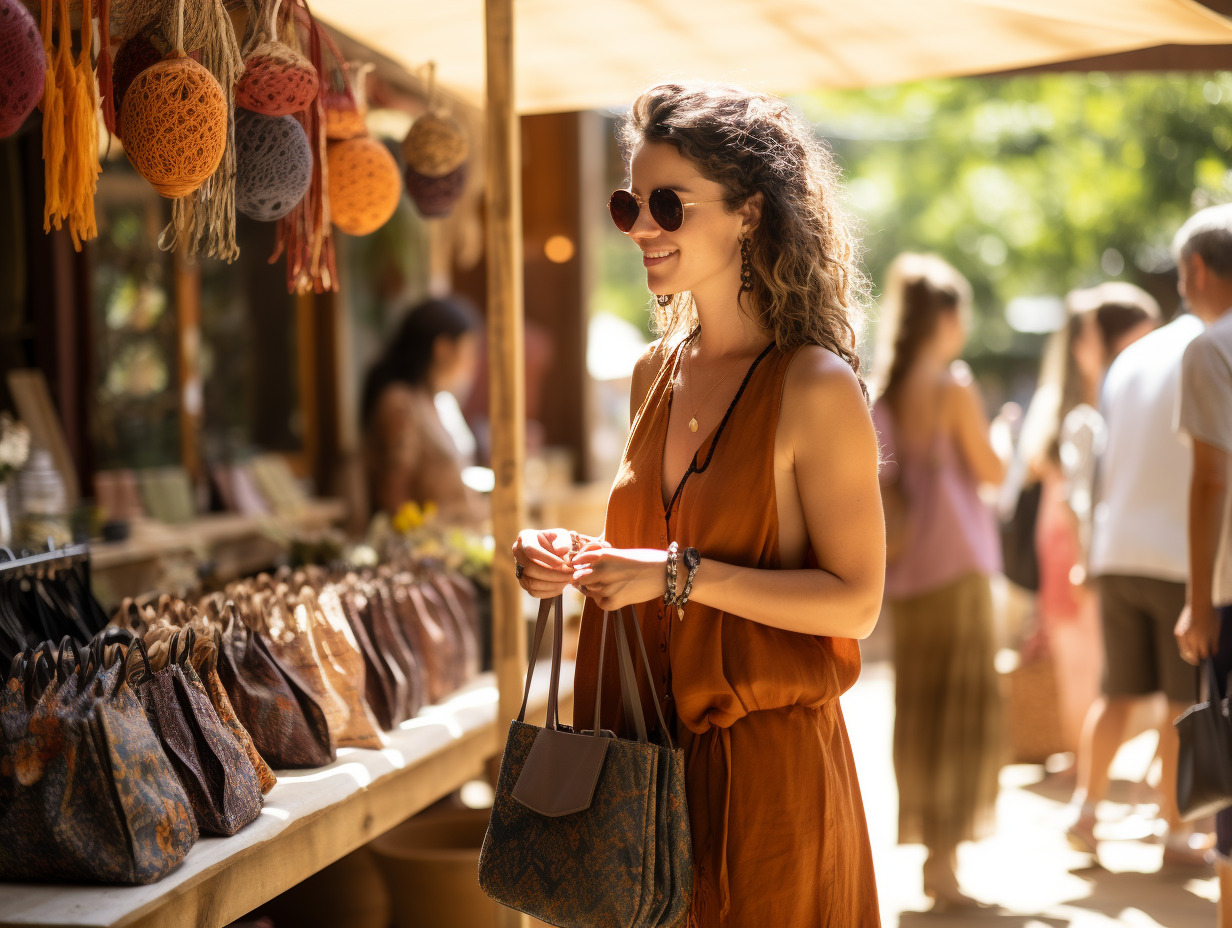
To build a sustainable wardrobe, prioritize quality over quantity. Invest in pieces made to last, which will withstand fleeting trends and repeated washes. Organic, recycled, or fair trade materials are wise choices for ethical fashion. Take the time to read labels to ensure the origin and composition of the items you purchase.
In the quest for responsible fashion, platforms like WeDressFair play a crucial role. They rigorously select ethical brands that align with values of environmental respect and working conditions for artisans. These initiatives facilitate access to clothing that adheres to the principles of slow fashion for consumers eager to adopt a more conscious lifestyle.
The choice of brands is also essential. Companies like Elora commit to limiting their impact on the planet, offering collections that combine style and durability. By supporting these eco-fashion brands, you contribute to a growing movement that advocates for environmental and social responsibility in the fashion industry.
To go further, incorporate second-hand shopping or swapping among eco-responsible fashion enthusiasts into your habits. These practices not only give a second life to clothing but also reduce the mass production characteristic of fast fashion. Eco-responsible fashion is thus a synergy between consumers, producers, and distributors, all united in the transition to a more virtuous industry.