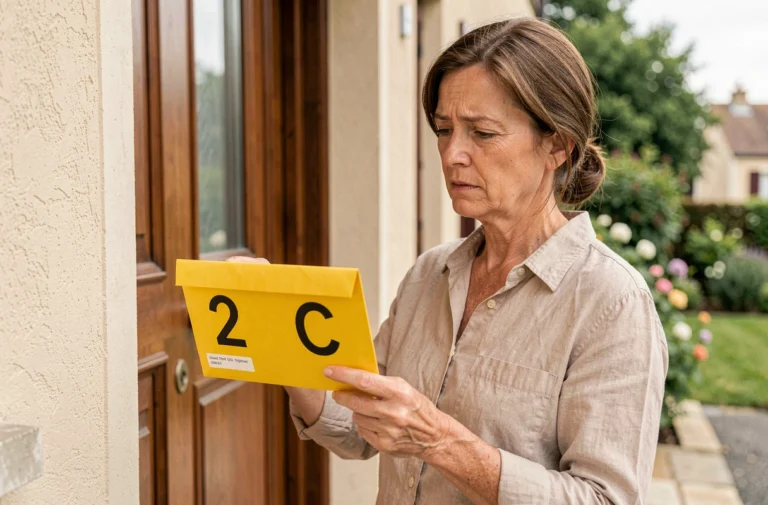
You have received a favorable opinion from the social housing allocation commission. The relief is real, but the next steps remain unclear. Between this decision and the handover of keys, several weeks may pass without news from the landlord. Following up at the right time, with the right support, often makes the difference between a progressing application and one that is classified as “no further action.”
Favorable opinion with conditions: what the commission really decided

A favorable opinion does not always mean a firm allocation. In tense areas like Greater Paris or major metropolitan areas, commissions increasingly issue favorable opinions with suspensive conditions. Specifically, the housing is reserved for you, but subject to further checks.
These conditions generally relate to updating your situation: recent income, family composition, professional situation, and sometimes even bank statements. The landlord must request these documents from you. If they do not do so in the days following the commission, your application may stagnate.
Many applicants share this experience on forums dedicated to social housing. Consulting a favorable opinion in the housing allocation commission forum allows you to compare the actual timelines observed by other candidates in similar situations.
Distinguishing a simple favorable opinion from a favorable opinion with conditions changes your follow-up strategy. In the first case, you wait for the visit proposal. In the second, you need to anticipate the request for additional documents and prepare them without waiting for someone to ask you for them.
Following up with your social landlord in writing: what timeline and what channel

You have waited a week without news after the favorable opinion. Should you call, send an email, or write a registered letter?
Tenant associations recommend prioritizing written communication from the first follow-up. An email or letter leaves a dated record, which is useful if the application drags on or if you need to refer to the DALO mediation commission later.
The first follow-up: between five and ten days after the commission
There is no need to follow up the next day. The allocation services handle several applications simultaneously. A delay of five to ten working days after the commission date is reasonable.
Your message should remain simple and factual:
- Remind them of your unique application number, the date of the commission, and the reference of the housing concerned
- Indicate that you have received the notification of favorable opinion (or that you have not received it, which can happen)
- Ask about the next steps and any additional documents to provide
- Provide your updated contact information (phone, email, postal address)
A concise and precise follow-up email gets more responses than a lengthy letter. Two paragraphs are sufficient. Save the registered letter for a second follow-up if you receive no response.
The second follow-up: registered letter with acknowledgment of receipt
If the landlord has not responded after your first email and an additional ten days have passed, move to the registered letter. This letter serves as a binding proof. Include the same elements as in your email, adding a mention of your first follow-up that went unanswered.
This step is not aggressive. It shows that you are taking your application seriously. A proactive applicant reassures the landlord about their motivation and reduces the risk of the housing being offered to another candidate.
Additional documents after a favorable opinion: preparing your rental file
Since the health crisis, several landlords have tightened their verification requirements before signing the lease. The deadlines for submitting documents have become stricter.
Do not wait for the official request to gather the documents. Here is what landlords most often require after a favorable opinion:
- The last three pay slips or the most recent tax notice
- An employer’s certificate or a valid employment contract
- A current proof of residence
- An up-to-date identity document for each occupant of the future housing
- The family record book or a birth certificate for dependent children
If your situation has changed since the initial application (new job, birth, separation), report any changes as soon as you follow up. A discrepancy between the initial application and the actual situation can block the allocation, even after a favorable opinion.
DALO recourse and mediation commission: when follow-up is no longer enough
The landlord does not respond to your email or your registered letter. Several weeks have passed. What to do?
You can refer to the DALO mediation commission if you believe your right to housing is not being respected. This process is aimed at applicants whose situation meets the priority criteria defined by law: temporary housing, substandard housing, abnormally long waiting period.
Referring to the mediation commission does not replace following up with the landlord. It opens a parallel recourse that can expedite the processing of your application. Keep all your written follow-ups, as they serve as evidence before the commission.
The communication charters of landlords
Since the ELAN law, several HLM organizations have implemented internal charters that regulate response times to applicants after the commission. These charters generally provide for contact within a defined timeframe after the decision, by email or phone.
If your landlord has such a charter (sometimes available in their activity report or on their website), you can mention it in your follow-up letter. This shows that you are aware of your rights without adopting a confrontational tone.
A favorable opinion remains a decisive step, not an automatic guarantee. The difference often lies in the weeks that follow: following up in writing, preparing your documents, and keeping a record of each exchange protects your application until the lease is signed.