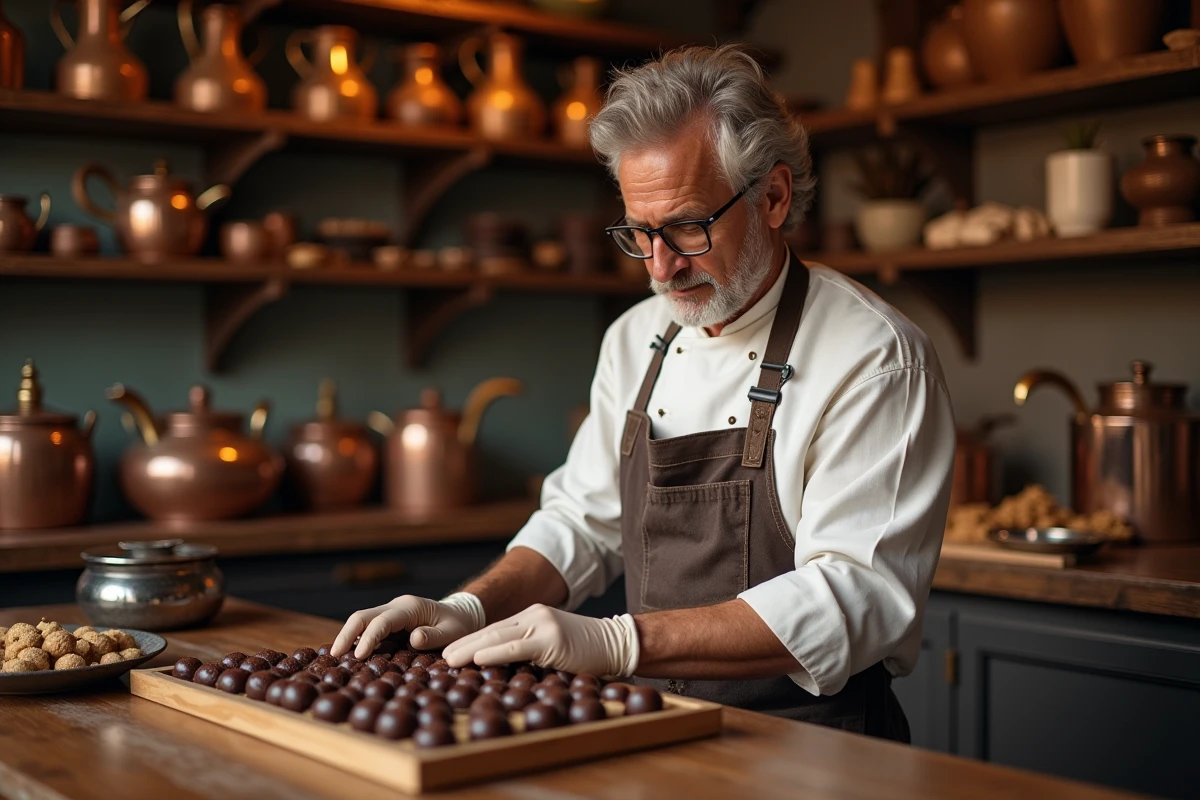
In France, the annual chocolate consumption reaches nearly seven kilograms per person, a figure that has been steadily rising despite competition from other sweets. Cocoa, long reserved for the elite, has established itself over the centuries as an essential part of daily life, transforming recipes and eating habits.
Some artisans continue to prioritize beans from lesser-known regions, while large retailers focus on innovation and marketing. Behind every bar lies production choices, cultural legacies, and economic stakes that shape a constantly evolving sector.
The Origins of Chocolate: A Journey Through Time and Civilizations
Chocolate has its roots in the heart of South America. Long before it became the favorite treat of Europeans, it took the form of a ritual drink among the Mayans and Aztecs, reserved for the powerful and imbued with a sacred dimension. In these pre-Columbian societies, cocoa was much more than food: it circulated as a precious currency, featured in exchanges and ceremonies, and carried a symbolic weight that transcended mere indulgence. The notion of Aztec chocolate and pre-Columbian civilizations is part of this foundational narrative, where cocoa embodies the sacred, the economy, and legend. Discover everything about chocolate: tips and gourmet trends.
Over the centuries, the manufacturing of chocolate has refined. The transformation of the cocoa bean is not improvised: from harvesting to fermentation, then to roasting, each step requires rigor and experience. Generations of artisans and planters have honed their skills to preserve the intensity of the original aromas. In this regard, Stéphane Bonnat, an iconic figure, has explored plantations in Peru, reconnecting with abandoned agricultural practices, showcasing a living heritage and a know-how passed down despite being forgotten.
The journey of cocoa, from the South American forests to European workshops, spans ages while always inviting admiration. Behind the shine of a chocolate bar lies a human adventure made of encounters, oral traditions, and innovations. Rediscovering chocolate from the perspective of its origins sheds light on the current challenges of production: how to reconcile respect for the land, cultural heritage, and the pursuit of taste purity?
Why Does Chocolate Hold a Special Place in French Culture?
Chocolate stands out as a marker of collective memory: from childhood snacks to the refined displays of prestigious houses in Paris. Every year, the Salon du Chocolat gathers thousands of enthusiasts, demonstrating a deep attachment to this delicacy, which has risen to the status of gourmet heritage. This flagship event celebrates the marriage between artisan creation and the quest for refinement.
Not far from there, in the Rhône Valley, the Cité du Chocolat linked to the Valrhona house attracts 140,000 curious visitors each year. This experiential place in Tain-l’Hermitage invites guests to dive into the complexity of a product that has become a symbol of French luxury. The journey reveals the manufacturing stages and introduces the art of tasting, while uncovering the links between tradition and innovation.
The story of chocolate is also told through images. In Les Secrets du chocolat, Franckie Alarcon chronicles a year alongside chocolatier Jacques Genin, blending the discovery of precise techniques with the quest for perfection. Through this testimony, a portrait of a France emerges where the exceptional chocolatier combines pleasure, demands, and transmission, perpetuating an intimate relationship with this unique material.
Portraits, Workshops, and Recipes: Passionate Actors Redefining Indulgence
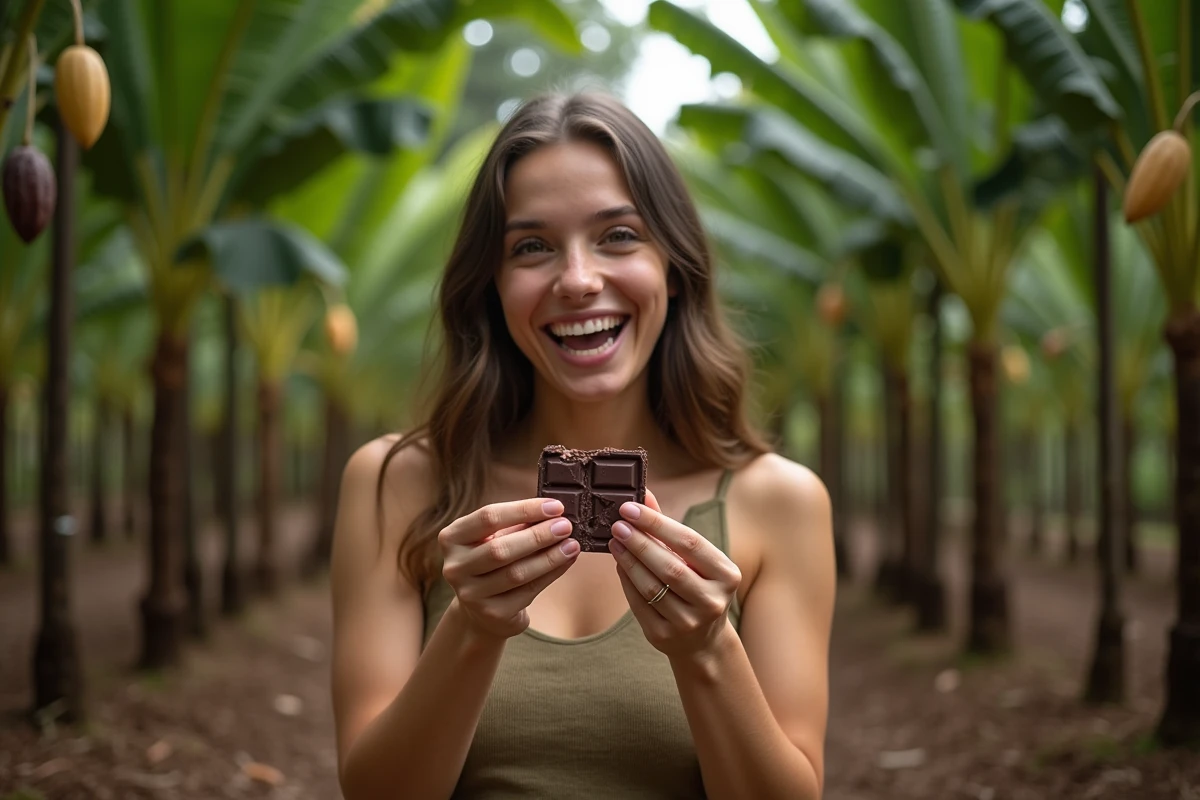
From one end of the country to the other, artisans are preserving the tradition of French chocolate. In Vendée or Vannes, workshops come alive with meticulous gestures, passed down yet always reinvented. Far from the large chains, these creators infuse each bar, each ganache, with a unique identity, affirming the vitality of an artisan pastry rooted in the terroir.
In Montigny-sur-Loing, creativity challenges conventions. Workshops become experimental grounds, where cocoa is combined with sometimes unexpected ingredients, pushing the boundaries of classic taste. While Côte d’Ivoire remains the primary supplier of beans, magic happens in the intimacy of French laboratories, where transformation takes on its full meaning.
In Paris, the chocolate scene showcases a hive of innovation. Artisans compete in ingenuity, offering bean to bar chocolates or ephemeral creations. Customers now seek unique products: a bar from a lesser-known region, a ganache infused with a local plant, an audacious blend.
The recipe is now learned in the open. In workshops open to the public, enthusiasts and curious visitors discover the secrets of tempering, molding, and harmonizing flavors. From Côte d’Ivoire to Paris, this human chain, made of precise gestures and passion, paves new paths for indulgence. With each square, an adventure, a story, a promise of renewed discovery.